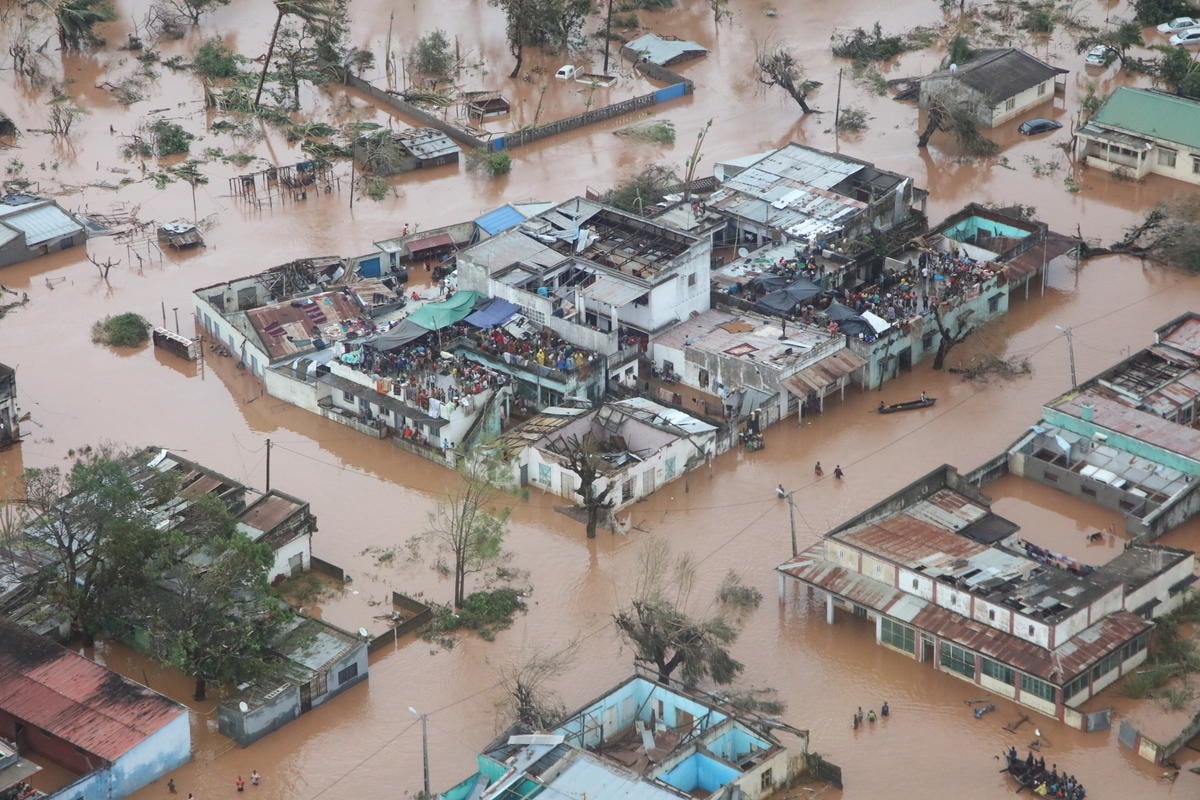
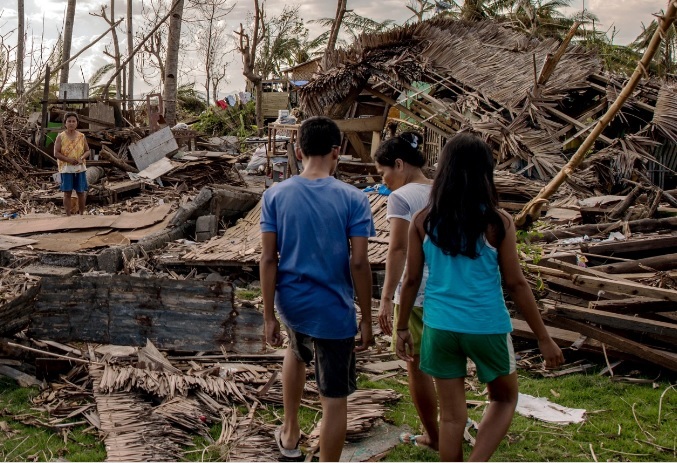
Serving the most vulnerable people means operating where crises are frequent – and staying when disaster hits.
VisionFund is a pioneer of Recovery Lending: providing the ladder, and the next step up it, after disaster destroys both
“Many inclusive providers are scared to deploy capital after disasters. VisionFund were lending when competitors weren't, after the cyclone in Malawi”.
Peter Gross
Adaptation and Resilience Lead, CGAP
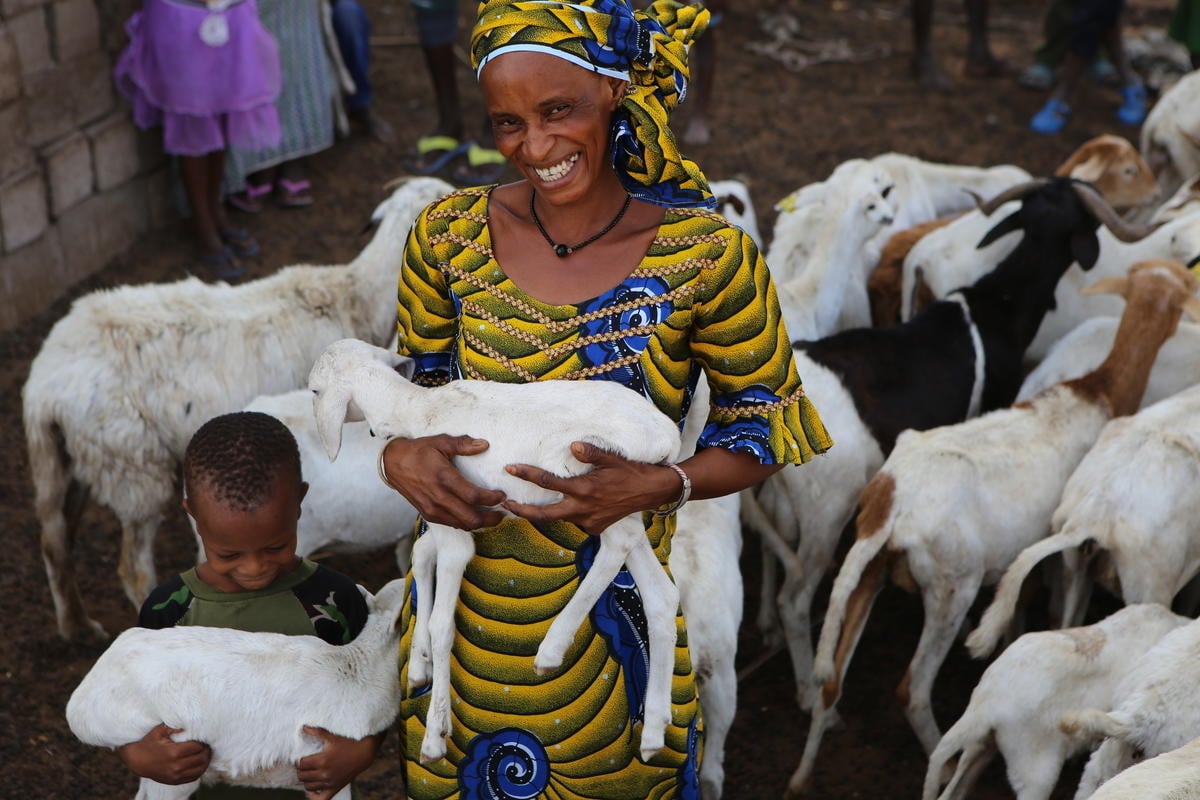
We recapitalise savings group members, helping them reignite farming and business activities to recover their livelihoods.
Recovery loans are both ethical and wise business. VisionFund sees consistently high rates of post-disaster loan repayment.
The World Bank’s think-tank, CGAP, visited Malawi to learn from VisionFund Malawi’s extensive Recovery Lending work.
Their Adaptation and Resilience lead for the visit, Peter Gross, said:
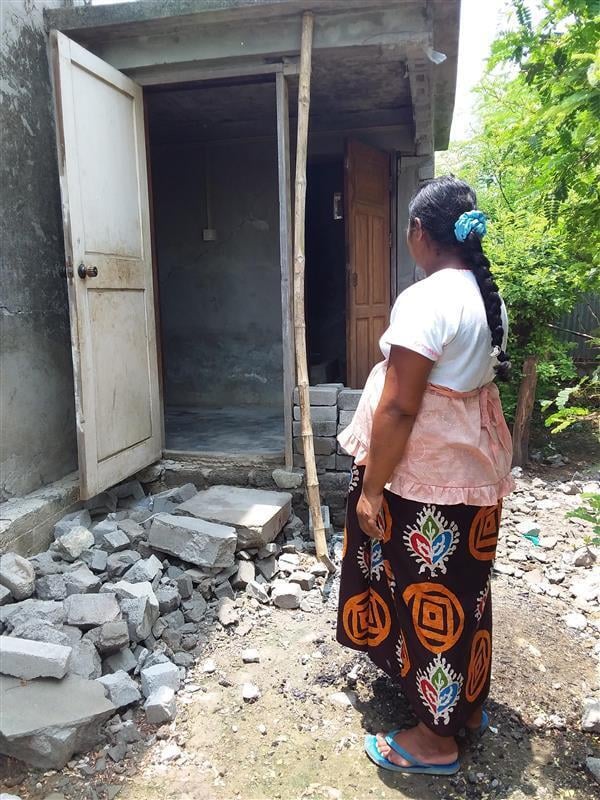
“VisionFund clients we met in Malawi said recovery loans helped them keep their children in school as compared to others in their community who had to remove their children from school after the cyclone to work in the business or farm.”
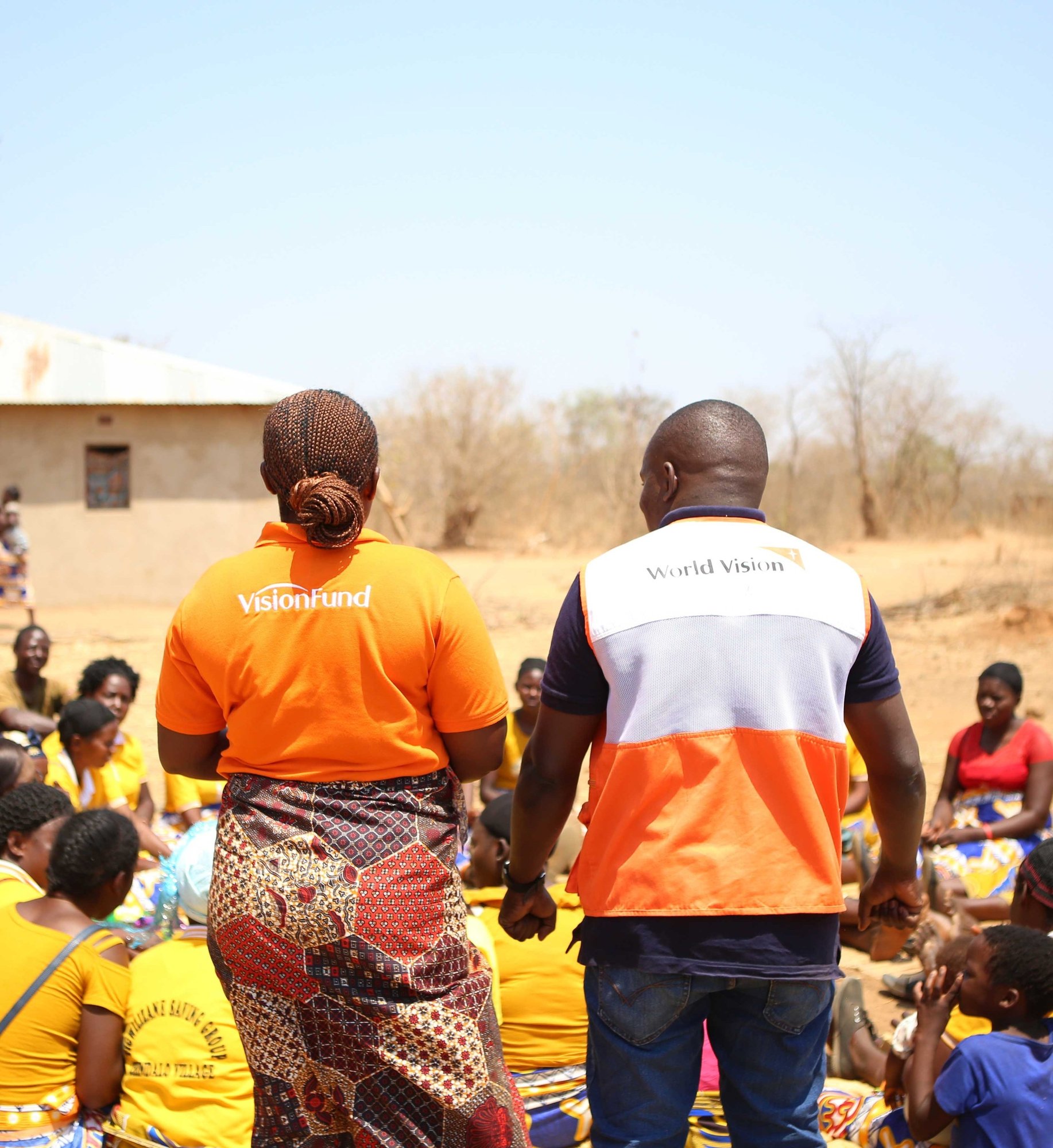
VisionFund works closely with World Vision to identify Savings Groups who need our support.
We support rural farmers and small businesses, urban microbusinesses, and savings groups during recovery.
To make recovery lending possible at scale, VisionFund launched the African and Asian Resilience in Disaster Insurance Scheme (ARDIS) in 2018. It is one of the pioneering climate-risk programmes and the world’s largest non-governmental climate-insurance initiative. ARDIS ensures that when major climate events strike, funding is automatically unlocked—without waiting for lengthy loss assessments.
Here’s how it works:
When a disaster reaches a defined severity level, pre-arranged credit becomes available at pre-disaster interest rates. This allows microfinance institutions to continue lending immediately—at the moment clients need it most.
A climate-linked payout provides additional capital and operational support, enabling recovery loans to be issued without destabilising local institutions
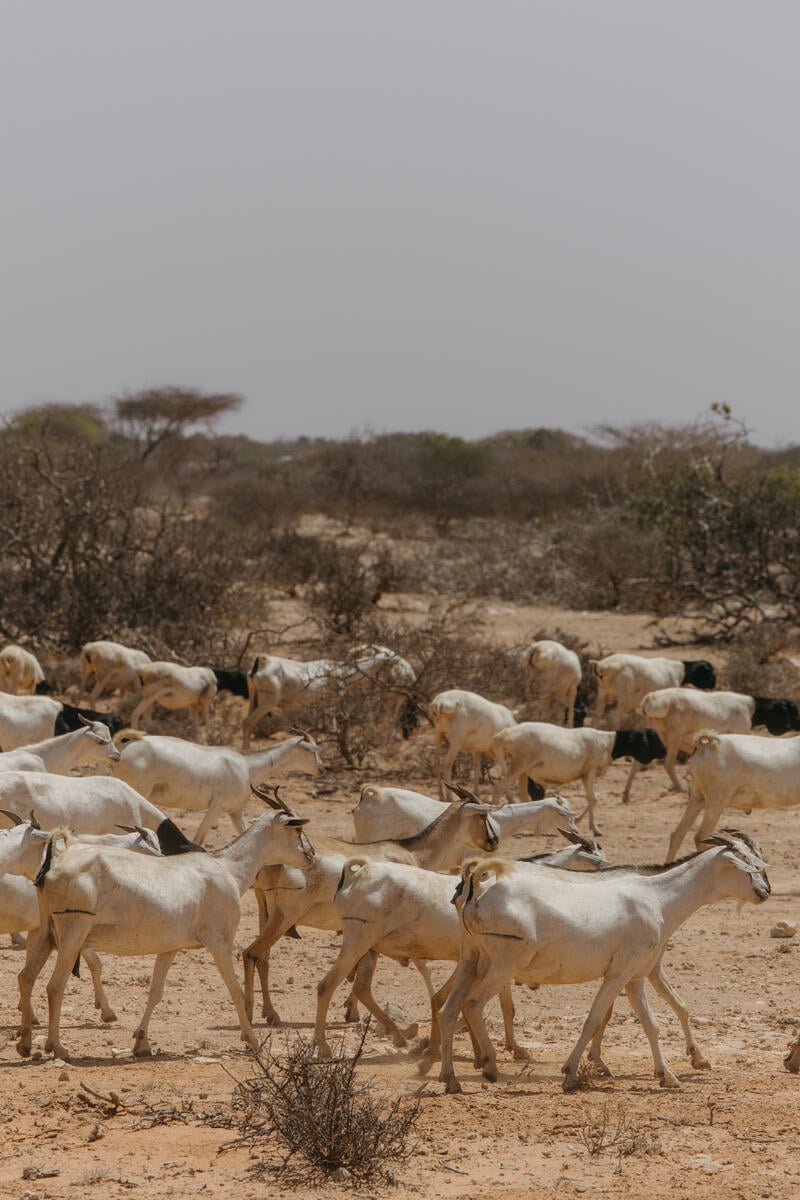
Advanced climate indexes help anticipate drought, floods, and windstorms—informing smarter lending decisions before and after disasters.
The result?
Faster recovery. Stronger institutions. More resilient communities.